

Rosemary Dewan is the CEO of the Human Values Foundation which promotes the importance of teaching human values in schools. Since 1995 it has been providing practical, cross-curricular programmes for personal development and behaviour management, integrating SMSC, PSHE education, Citizenship, PLTS and SEAL.

Whatever young people's educational journeys, as individuals they all have unique personal characteristics just like their physical fingerprints and DNA sequences. An exciting paradigm shift is taking place in education as approaches to teaching and learning become increasingly creative and student-centred, enabling all learners to develop and blossom in their own, special ways.
Just as forensic investigators can identify an individual using DNA (Deoxyribonucleic Acid) to create a genetic profile - a set of numeric values that is exclusive to that person - educators can understand their students by the acid test of their academic attainment and exam outcomes. But looking at test scores is just one part of a child’s personal and social DNA. There are other enlightening elements of the learner’s profile to take into account, such as each individual’s disposition, passions, interests, talents and values. These may not shape league tables, but teaching to this profile can better prepare learners for the modern world.
Education is on the move
As Albert Einstein said, “The world as we have created it, is a process of our thinking. It cannot be changed without changing our thinking.”
Sir Ken Robinson is acutely aware of changes needed and the importance of motivation that is conducive to every single young citizen flourishing. As he says:
“Human resources are like natural resources; they're often buried deep. You have to go looking for them; they're not just lying around on the surface. You have to create the circumstances where they show themselves.”
“The fact is that given the challenges we face, education doesn't need to be reformed - it needs to be transformed. The key to this transformation is not to standardise education, but to personalise it, to build achievement on discovering the individual talents of each child, to put students in an environment where they want to learn and where they can naturally discover their true passions.”
Character development and values
For some time, concern has been growing about whether the education of the current emerging generation of citizens is sufficiently fit for purpose. This is especially bearing in mind the state of the health and wellbeing of so many young people, degradation of the environment, the world they are inheriting, the pace at which various aspects of daily life are evolving, and the qualities needed for the new world of work.
In 2017, the Dame Kelly Holmes Trust held a series of roundtable discussions with a large cross-section of people from politics, education and the youth sector in the UK to address the significance of character development, viewed as an important yet often overlooked part of education today. Countless stakeholders involved in how children are growing up consider that young people need to be better equipped with the tools and skills that enable them to live positive lives. Assisting them in developing strong character traits will support improved academic attainment, employment prospects, workplace productivity and individuals’ contributions to society.
Following this roundtable, in July 2018 a white paper was published: The Opportunities and Challenges offered by Character Education. The first recommendation is that the Department for Education takes the lead in establishing a clear definition for character development and that it should then be applied across Government and communicated effectively to education, business, community and youth-sector organisations.
It is proposed that character development is defined as: when people align their actions with their considered values.
Values define who we are
Just as a DNA profile is extracted from a piece of evidence from the subject, so several aspects of someone’s makeup can be discerned from personally chosen values. This is because our values help to identify what we hold dear, what we consider important, what motivates us and what we prioritise. Together with our beliefs, they are the causal factors that drive our thinking, decision-making and behaviour.
“Creativity is intelligence having fun”
Since character development is key to young citizens flourishing, maximising their potential and living healthy, fulfilling lives of meaning and purpose, what is important now is that time is invested in it as an integral part of each child’s education.
Spiritual, Moral, Social and Cultural (SMSC) development, Personal, Social, Health and Economic (PSHE) education and Citizenship are stepping stones in the right direction but, fundamental to all this progress is quality, systematic values education. To provide clarity and properly reflect each young person’s uniqueness, all learners need regular opportunities to explore and apply values so as to establish for themselves a foundation of ones that feel right and that will be their daily reference points, particularly as they navigate the plethora of challenges they currently face and that they will encounter as their lives and the future unfold.
Educators have the opportunity to creatively embed an awareness of values and their influence on life at home, in school and in wider contexts. In doing so, they will witness the delight shown by the children as they apply the empowering competencies gained and draw on newly acquired capacities that express their own uniqueness. The stimulating process excites curiosity and engenders a general improvement in wellbeing and an eagerness to learn. The exhilarating feeling of authenticity rises as the participants build up their confidence and learn to align their deliberations, choices and actions with their own, personally selected values.
Want to receive cutting-edge insights from leading educators each week? Sign up to our Community Update and be part of the action!

Q: What’s going to enable students to make smart choices as they prepare for their journeys after school - and aspire to become leaders of tomorrow?
A: Great, creative schools that cultivate a culture of leadership and smart, outward-looking teachers who instil passion in all their students.

There is an abundance of initiatives helping to ensure that young citizens-in-the-making go on to a future beneficial for all living things. To help identify some of the exciting avenues that are opening up, here is a table with nine facets of education, and some critical thinking prompts, that could typify what forward-thinkers have been endeavouring to bring to fruition:
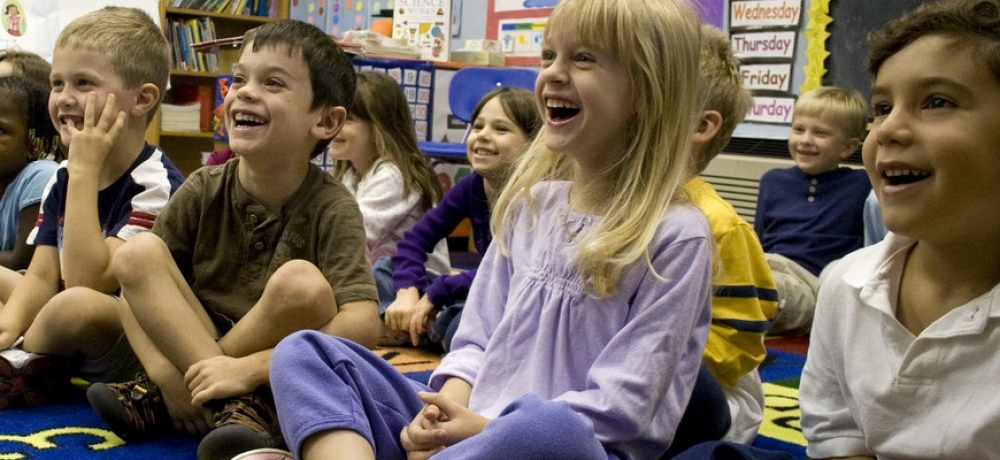
Throughout the world, movements are emerging to ensure excellent practices are being embedded into whole-school approaches to teaching and learning, so that holistic, whole-child development is promoted, enabling every young person to build confidence in their abilities and flourish.

Every member of a school community matters. The physical, mental and emotional wellbeing of young children and adolescents are of paramount importance, but it is also vital that there is an ongoing focus on the welfare of all the adults making up the school community. So which values are needed for everyone in a school community to flourish and feel they are on a meaningful, fulfilling life journey?

With so much emphasis on academic outcomes and the growing concerns about the mental and physical wellbeing of many students today (as well as some teachers and parents), how can we give young children and adolescents a rich, fully rounded, holistic education that enables them to fulfil their true potential and prepares them well for life as informed, active and dynamic global citizens?
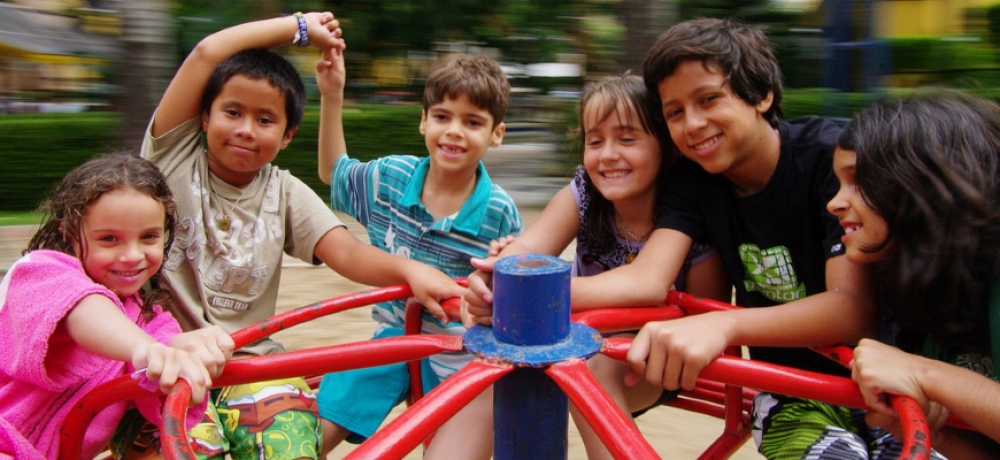
World Values Day (20th October 2016) epitomises how people everywhere, including teachers, are passionate about doing something to make the world a better place. The conscious use of inspiring values is the transformative agent. As Aristotle said, “Educating the mind without educating the heart is no education at all.” Educationalists, who want to help children and young people live their lives to the fullest, are prioritising their pupils’ social, emotional, physical and spiritual wellbeing because they understand that learners’ welfare underpins their personal development and academic and other achievements.
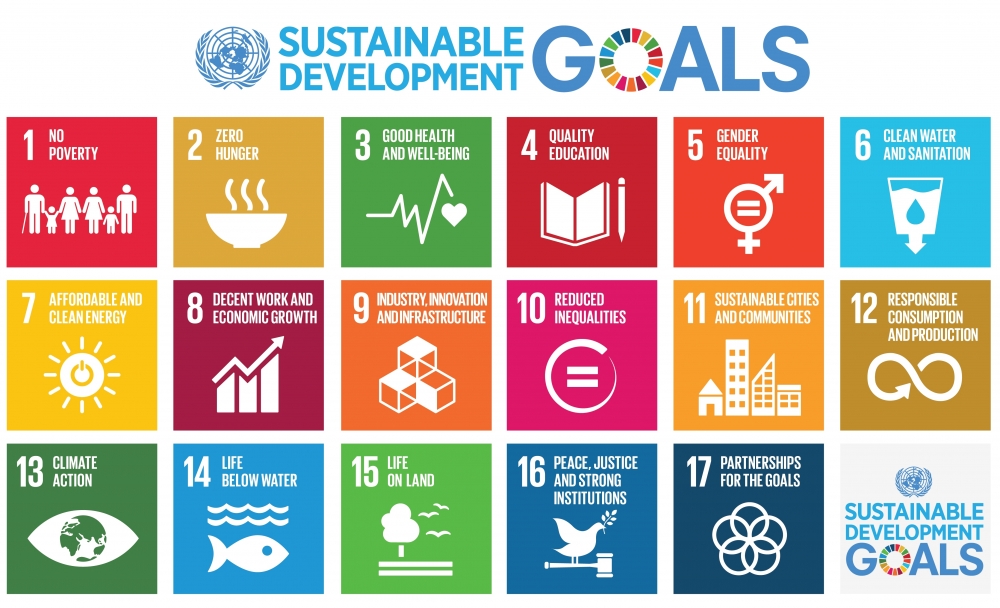
Take stock for a moment and consider three revolutions that are taking place, and how today’s young children and adolescents are beginning to respond to the ‘17 Sustainable Development Goals’ agreed by world leaders of 193 countries in September 2015. The ambitious Action Plan to find lasting solutions for the 17 Global Goals started on 1 January 2016 and will continue to 2030 – during the critically formative years of today’s schoolchildren. What kind of world do they want in 2030 as young adults?
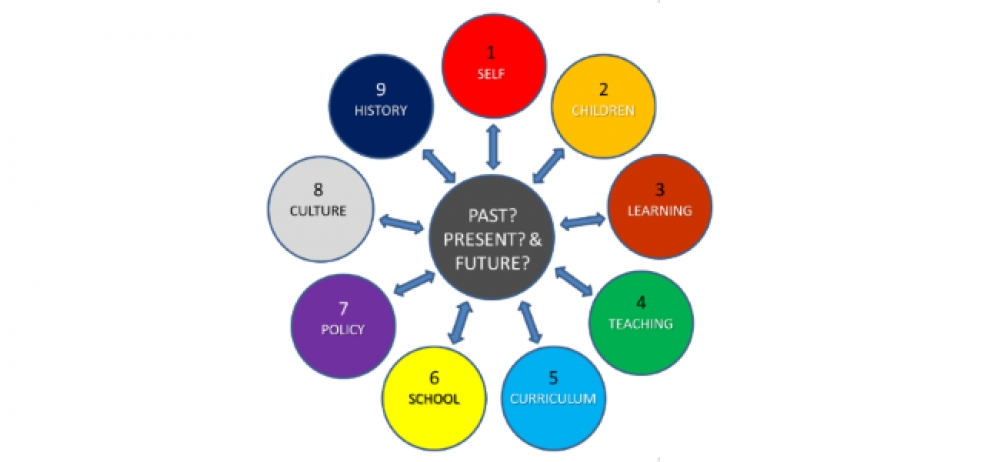
Human beings are complex, so teaching has to be among the most challenging jobs in our ever-changing world. In the busy swirl of the demanding day, how can teachers go with the flow, keeping all the balls in the air so that they and their pupils enjoy learning, growing and developing in ways that lead to happy, meaningful, successful lives?
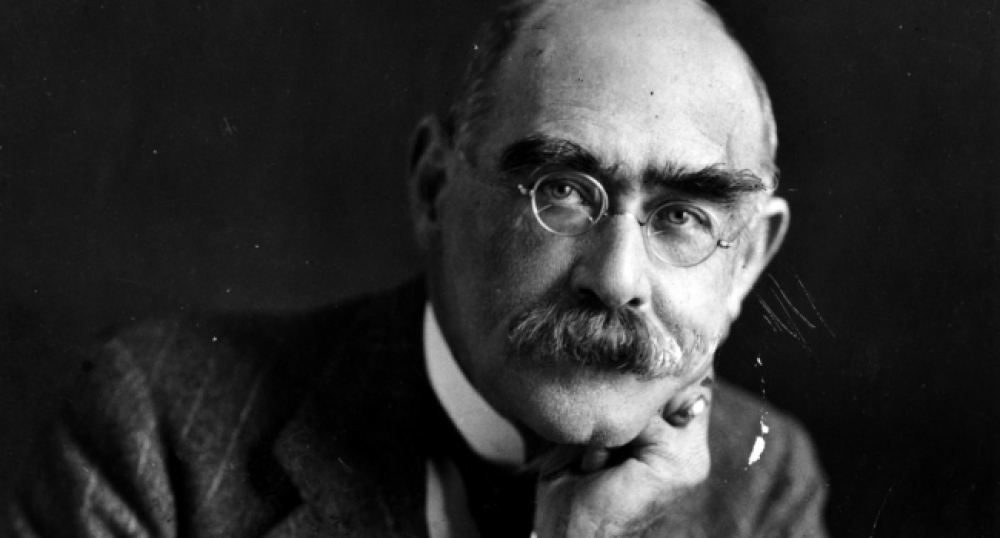
Deliberate questioning sparks curiosity, unlocks learners’ ideas and helps them to think deeply, gain clarity and make more sense of a range of topics, issues and concerns that are important to themselves, relationships, society and the environment - in short, the fast-changing world in which they are growing up. With the aid of a framework based upon Rudyard Kipling’s poetic “I keep six honest serving men” - WHAT? WHY? WHEN? HOW? WHERE? and WHO? - lessons can become lively and interesting. Children and young people explore, examine and reflect upon both positive and negative aspects and viewpoints of matters, problems and values and then see where their delving takes them.
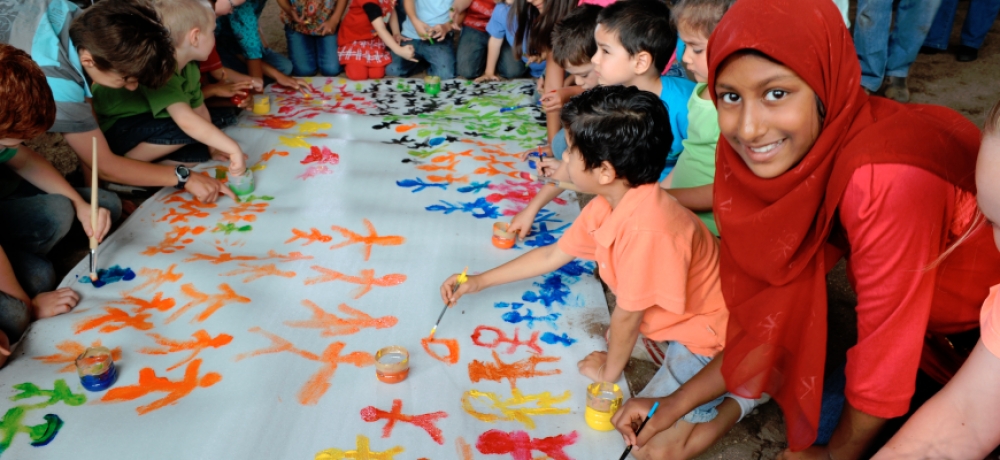
“If at first you don’t succeed, try, try, try again.” Schoolchildren’s successes can be brought about with informative, systematic values education that progressively develops and nurtures the whole person. Key to achievement is a mindset intent on mastery through proactively capitalising on learning opportunities that crop up in all contexts.

People everywhere are fast recognising that the ‘Values Revolution’ has truly arrived, and is re-shaping many aspects of our lives as well as our families, schools, businesses and other public and private organisations around us. Savvy teachers will want to ensure they are preparing their young citizens well, and providing quality guidance that creates the foundations for their success now and in the future.







1,300+ guest writers.
2,500+ ideas & stories.
Share yours.

A community-driven platform for showcasing the latest innovations and voices in schools
Pioneer House
North Road
Ellesmere Port
CH65 1AD
United Kingdom